Middle School Geography Curriculum A Complete Year Long Guide
Why Geography Matters for Middle School Students
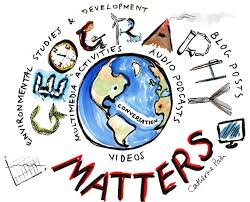
Middle school is a time when students start to look beyond their local communities and become more curious about the wider world. Geography gives them the foundation to understand not only where places are but also why they matter.
- Critical Thinking: Geography teaches students to ask questions about why people live where they do, how environments shape societies, and what challenges the world faces.
- Global Awareness: Students learn to see themselves as part of an interconnected world, preparing them for responsible citizenship.
- Practical Skills: From reading maps and using GPS tools to interpreting data and graphs, geography builds real-life skills.
- Connection to Current Events: Whether it’s climate change, migration, or international conflicts, geography helps students understand what’s happening in the world today.
Core Goals of the Curriculum
- Teach students how to read, interpret, and create maps.
- Explore Earth’s major physical features, climates, and ecosystems.
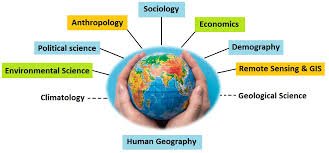
- Understand human geography, including population, culture, economy, and politics.
- Foster curiosity through projects, debates, and discussions.
- Connect lessons to real-world events and issues.
Curriculum Structure
The curriculum is designed for 36 weeks of instruction, divided into two semesters. Each week includes a theme, lesson activities, and suggested assessments. This pacing works for both traditional classrooms (5 days a week) and homeschooling settings (3 days a week with extended activities).
Semester 1 Foundations and Physical Geography
Week 1 and 2 Introduction to Geography
- Focus: What is geography? The Five Themes of Geography (Location, Place, Human-Environment Interaction, Movement, Region).
- Activities:
- Create a “geography scrapbook” with local examples of the five themes.
- Compare absolute vs. relative location using Google Maps.
- Assessment: Short quiz on geography basics and presentation of scrapbook.
Week 3 and 5 Map Skills
- Focus: Map types, latitude/longitude, scale, compass rose, projections, and time zones.
- Activities:
- Map scavenger hunt (students find coordinates for world cities).
- Draw and label a map of their town or neighborhood.
- Practice time zone conversions.
- Assessment: Map quiz, student-created maps, and practical exercises.
Week 6 and 8 Earth’s Structure and Landforms
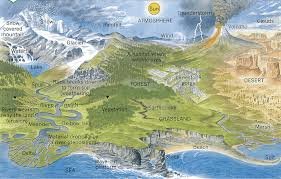
- Focus: Continents, oceans, plate tectonics, earthquakes, volcanoes, and landforms.
- Activities:
- Build a clay model of tectonic plates.
- Watch a video on the Ring of Fire and discuss.
- Research a major landform and present its importance.
- Assessment: Group presentations and written reports.
Week 9 and 11 Weather and Climate
- Focus: Weather vs. climate, climate zones, extreme weather, and factors affecting climate.
- Activities:
- Keep a two-week weather journal comparing local vs. international weather.
- Create a climate map of the world.
- Study hurricanes, tornadoes, or monsoons.
- Assessment: Weather journal graded, climate map project.
Week 12 and 14 Ecosystems and Biomes
- Focus: Rainforests, deserts, tundra, savannas, and grasslands. Human impact on ecosystems.
- Activities:
- Research project on how humans adapt to a biome.
- Case study on deforestation in the Amazon.
- Group debate on conservation strategies.
- Assessment: Written project report and group debate score.
Week 15 and 18 Regional Overview of the World
- Focus: Continents and oceans overview. Basic introduction to each region.
- Activities:
- “Race Around the World” map challenge.
- Assign each student a continent to research.
- Create a world travel brochure.
- Assessment: World map test and brochure project.
Semester 2 Human Geography and Regional Studies
Week 19 and 21 Population and Migration
- Focus: Population distribution, density, urbanization, megacities, and migration factors.
- Activities:
- Create population density maps.
- Debate the pros and cons of urbanization.
- Research migration stories and present.
- Assessment: Population quiz and migration essay.
Week 22 and 24 Culture and Society
- Focus: Language, religion, traditions, and cultural diffusion.
- Activities:
- Cultural showcase (students present food, clothing, or traditions).
- Map languages of the world.
- Discuss cultural globalization.
- Assessment: Cultural showcase project and reflection essay.
Week 25 and 27 Economy and Resources
- Focus: Agriculture, trade, natural resources, and globalization.
- Activities:
- Mock trade game in class.
- Research renewable vs. nonrenewable resources.
- Discuss real-world examples of globalization (fast food, technology).
- Assessment: Written test and trade game report.
Week 28 and 30 Political Geography
- Focus: Borders, nations, governments, and international organizations.
- Activities:
- Model UN simulation.
- Research the role of the United Nations.
- Study examples of geopolitical conflicts.
- Assessment: Participation in simulation and reflection paper.
Week 31 and 34 Regional Studies in Depth
- Focus: Study of each world region in more detail.
- Activities:
- North America: Compare US, Canada, Mexico.
- South America: Amazon rainforest and Andes.
- Europe: EU and cultural landmarks.
- Africa: Sahara, savanna, colonial history.
- Asia: Tech hubs, monsoons, Middle East politics.
- Australia & Antarctica: Unique ecosystems and exploration.
- Assessment: Regional projects and group presentations.
Week 35 and 36 Capstone Project and Review
- Focus: Summarize learning with a final project.
- Activities:
- Students present a “World Expo” featuring displays on different countries.
- Review games and quizzes.
- Assessment: Final project presentation and portfolio evaluation.
Hands On Projects and Activities
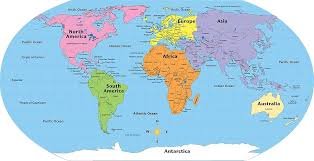
- Map Labs: Practice labeling maps by hand and digitally.
- Country Study: Students research a single country in depth.
- Weather Journal: Compare local and global weather.
- Cultural Exchange: Pen pals or virtual exchanges with students abroad.
- Simulation Games: Trade simulations, resource management, or UN debates.
Assessments
- Quizzes: Regular map and vocabulary tests.
- Projects: Posters, reports, digital slideshows.
- Performance: Debates, oral presentations.
- Portfolios: Collect work throughout the year.
Integrating Geography with Other Subjects
- History: Ancient civilizations and their geography.
- Science: Ecosystems, geology, and weather.
- Math: Scale, graphs, and statistics.
- Language Arts: Essays, reports, and debates.
Technology Tools
- Google Earth and GIS software.
- Interactive websites (National Geographic, Mapmaker).
- CIA World Factbook for reliable data.
- Gapminder for global trends.
Recommended Resources
- Books: DK’s Geography of the World, National Geographic Kids Atlas.
- Websites: National Geographic Education, CIA World Factbook.
- Materials: World map, globes, atlases, project supplies.
Table of Contents
Conclusion
Introduction
Why San Francisco is the Perfect Starting Point
Tips for Planning Your Road Trip
Best Time of Year for Each Destination
How Long Should You Drive Per Day?
Packing Essentials Beyond the Basics
Car-Friendly Snacks and Meal Prep
Navigation Tips (Maps vs. Apps)
Road Trip Itineraries
Pacific Coast Highway (Highway 1) to Big Sur
Napa Valley Wine Country Escape
Lake Tahoe Adventure
Yosemite National Park Getaway
Point Reyes and Marin County Day Trip
Mendocino Coast Scenic Route
Santa Cruz and Monterey Bay Coastal Drive
Redwood National and State Parks Expedition
Sequoia & Kings Canyon National Parks
Gold Country (Highway 49 Historic Route)
Silicon Valley Tech & Culture Tour
Sonoma Coastline & Bodega Bay
Shasta & Lassen Volcanic National Park Loop
Santa Barbara and Central Coast Escape
Palm Springs & Southern California Desert Drive
Multi-Day Road Trip Ideas (3–7 Day Loops)
Scenic Detours You Shouldn’t Miss
Family-Friendly Road Trips
Romantic Weekend Escapes
Best Road Trips for Outdoor Lovers
Hidden Gems Along the Coast
Cultural & Historical Stops Worth Exploring
Best National Parks Within a Day’s Drive
Foodie Road Trips (Wine, Cheese, Seafood)
Pet-Friendly Road Trip Ideas
Budget Road Trips vs. Luxury Road Trips
Where to Stay on Each Route
Best Food Stops Along the Way
Road Trip Photography Hotspots
Seasonal Road Trips (Spring, Summer, Fall, Winter)
Festivals & Events to Plan Around
Eco-Friendly Road Trip Tips
Road Trip Safety & Emergency Prep
Road Trip Playlist Suggestions
Solo Traveler Road Trip Ideas
Group Road Trip Planning Tips
How to Add Public Transit + Road Trips (Train + Car Combo)
Best Overnight Stops Between Major Destinations
Day Trips vs. Weekend Trips vs. Week-Long Journeys
Road Trips That Include Hot Springs
Road Trips for Stargazing and Astronomy Lovers
Combining Road Trips with Camping Adventures
Luxury Resort & Spa Road Trips
Tips for Driving the Pacific Coast Highway Safely
Iconic Landmarks You Can See from the Road
Local Small-Town Shops & Markets Worth Visiting
Traveling in an RV vs. a Car
Best Road Trips for Adventure Sports (Surfing, Skiing, Hiking)
Tips for Avoiding Traffic Leaving San Francisco
Road Trips that Cross into Oregon or Nevada
Conclusion
The Middle School Geography Curriculum provides a foundation for global understanding and critical thinking. With a balance of physical and human geography, interactive projects, and connections to real-world events, students gain skills that extend beyond the classroom. Geography is not only about knowing where places are it is about understanding why they are important, how they are connected, and how humans interact with their environments. By the end of the year, students will be prepared for high school social studies and equipped to think like global citizens.